4800 – 4000 BCE
Middle Trypillia
Golden Age
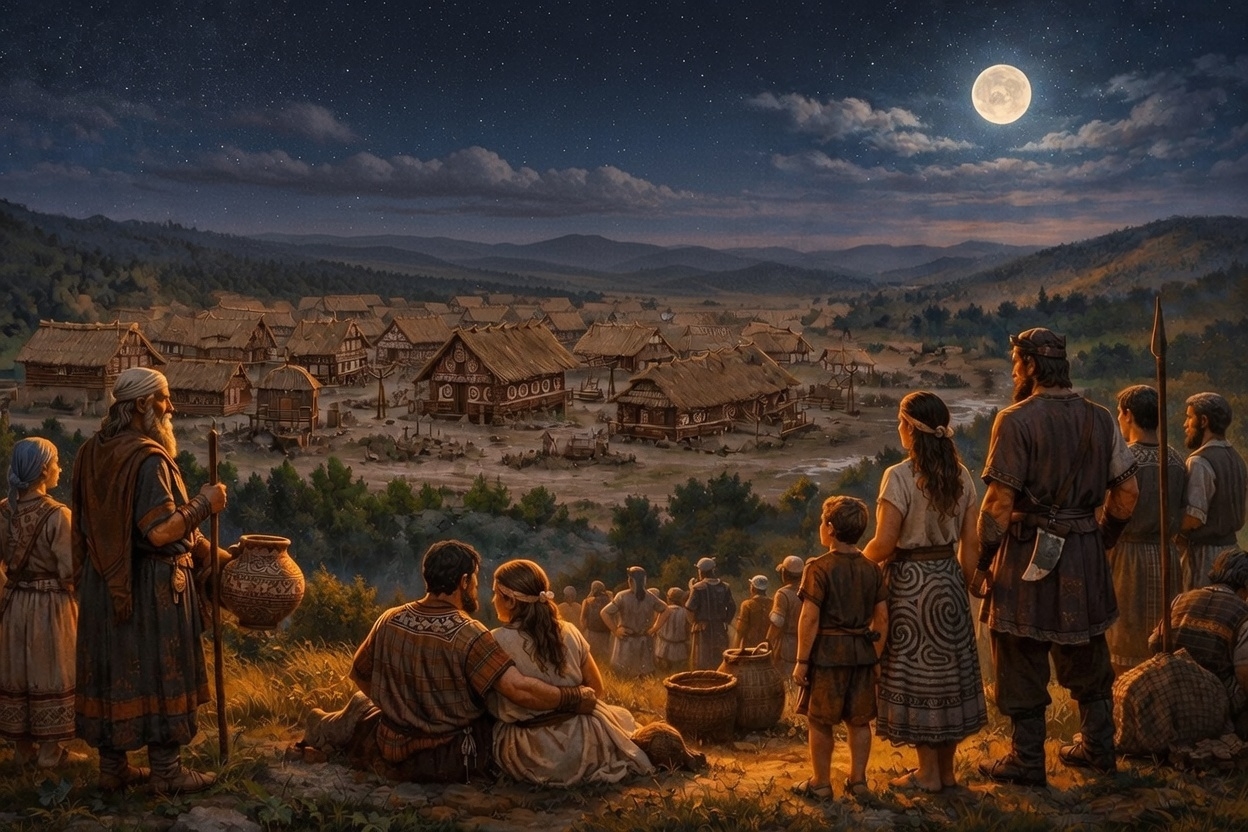
Welcome to the zenith of the Cucuteni-Trypillia civilization. During this era, small farming communities transformed into Copper Age metropolises, and their artistic expression reached unprecedented heights.
Begin Journey
01
/
06
4800 – 4000 BCE
The Dawn of the Golden Age
Welcome to the zenith of the Cucuteni-Trypillia civilization. During this era, small farming communities transformed into Copper Age metropolises, and their artistic expression reached unprecedented heights.
03
/
06
Architecture & Urbanism
Rise of the Mega-Sites
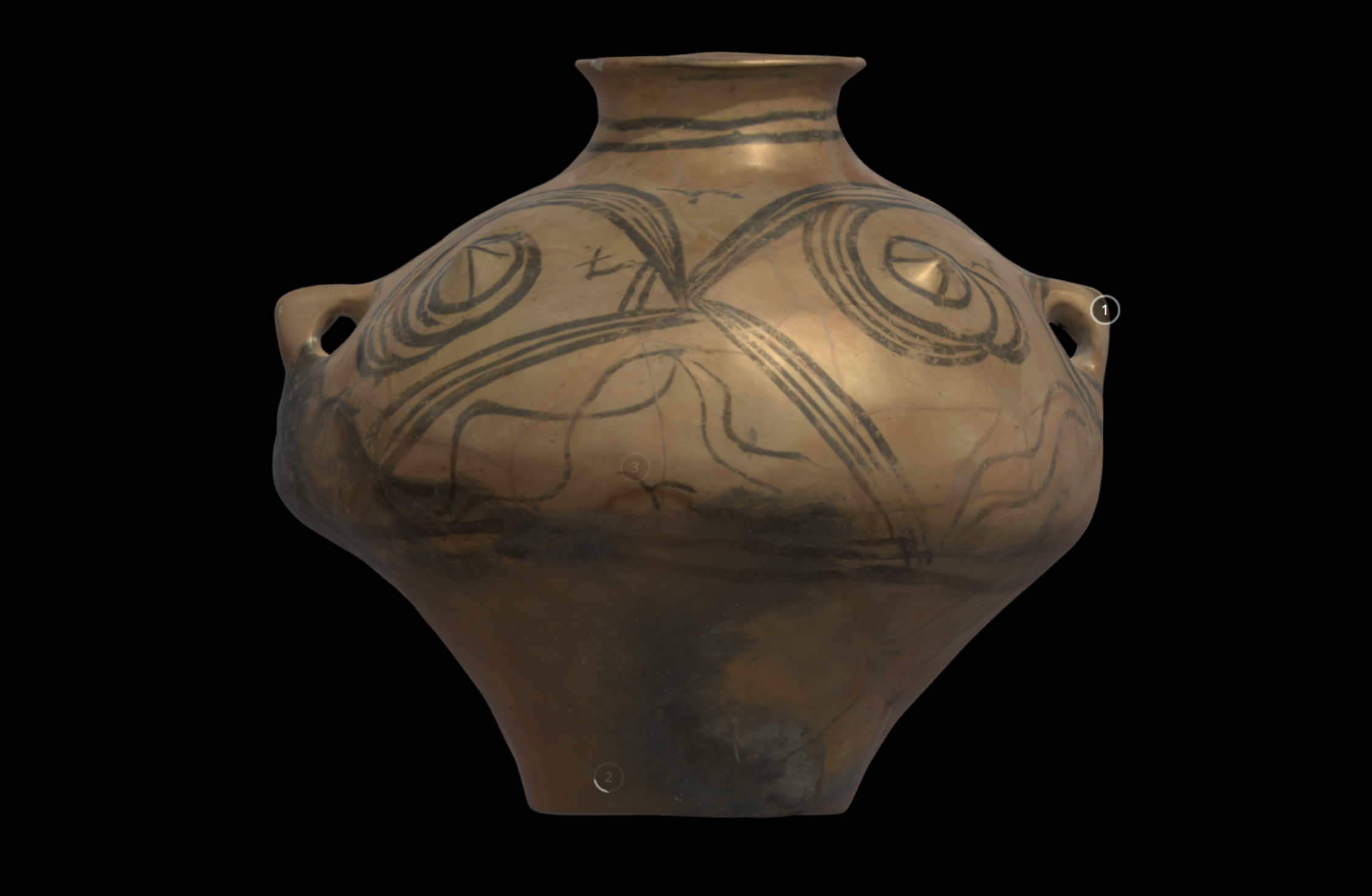
They engineered highly organized, concentric settlements housing up to 15,000 people. Remarkably, these massive proto-cities featured two-story clay dwellings but showed no signs of palaces, administrative centers, or grand temples — hinting at a uniquely egalitarian society.
04
/
06
Art & Symbolism
A Canvas of Clay
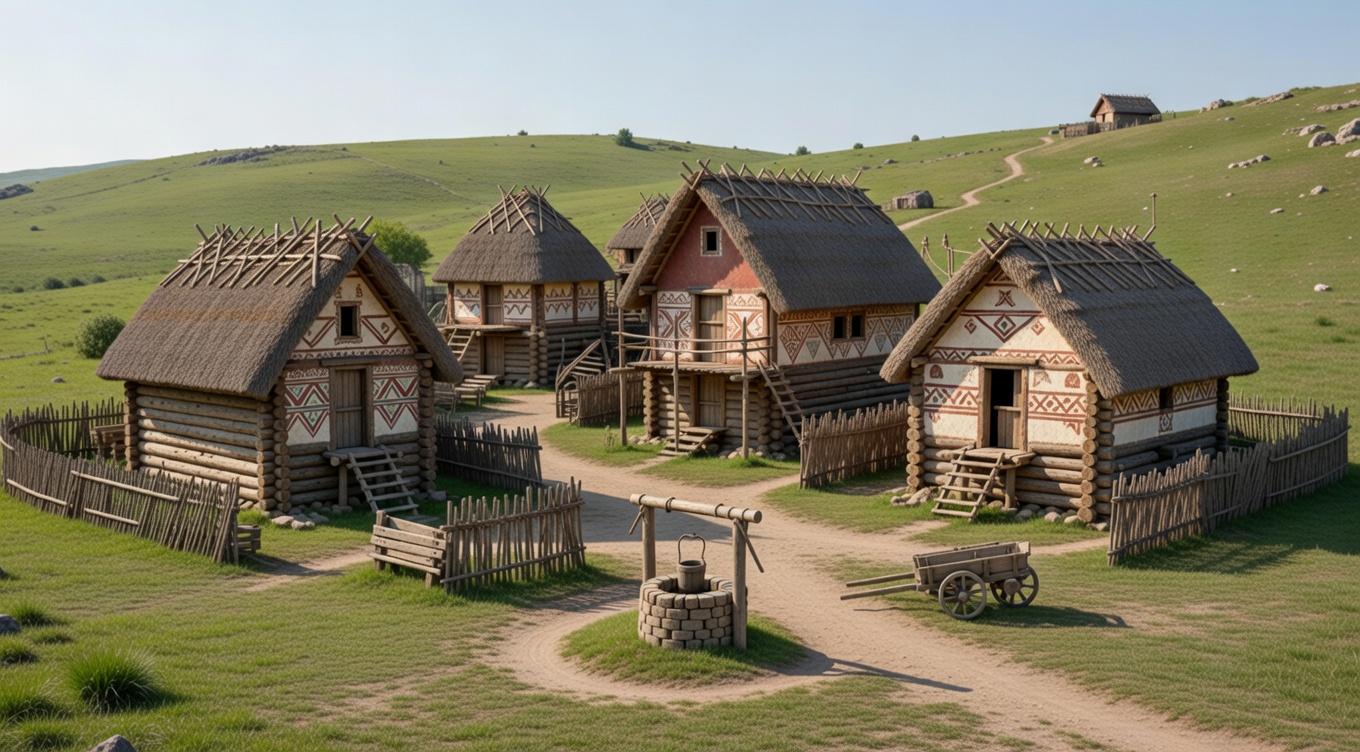
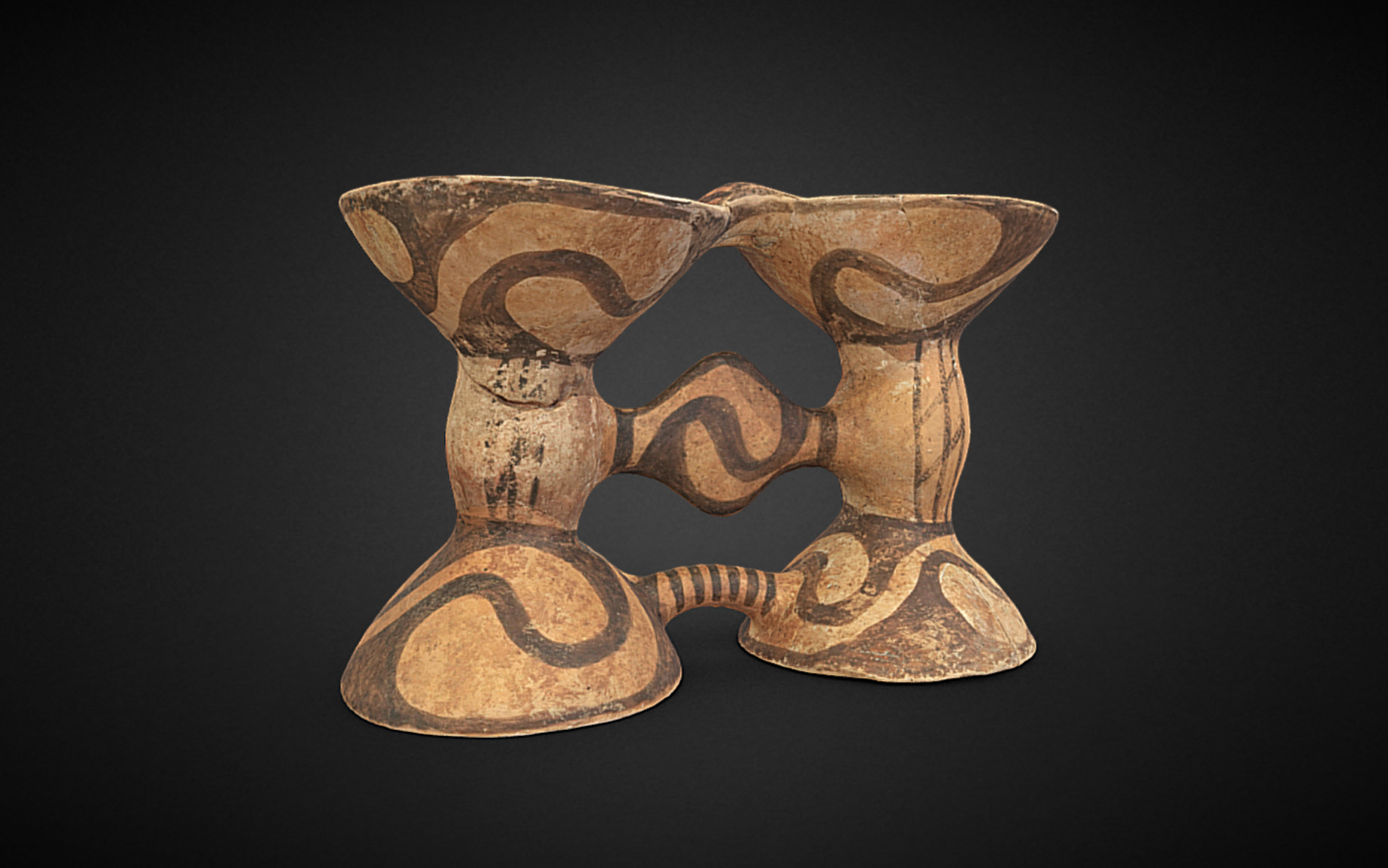
Their iconic painted pottery was far more than daily ware; it was a complex visual language. Intricate spirals, infinite ribbons, and solar symbols reflect a profound, shared understanding of the cosmos, agriculture, and the cyclical nature of life.
05
/
06
Ritual & Mystery
The Great Mystery of Fire
Every 60 to 80 years, the Trypillians systematically burned their magnificent cities to the ground before moving to a new location. Whether driven by spiritual renewal, sanitation needs, or environmental cycles, this massive, recurring ritual remains one of archaeology's greatest unsolved mysteries.