2014-5. Review. Vessels Decorated with Stylized Anthropomorphic Representations
Stylized human figures on Precucuteni–Trypillia A pottery are approached not as mere ornament but as structured symbolic programs. By linking iconography with vessel capacity standards, the study advances a ritual interpretation connected to lunar-oriented belief systems in the 4th millennium BC.
Stratum plus. 2014. №2 : 309-330
C.-E. Ursu,
C. Aparaschivei (Suceava, Romania)
A Few Considerations on Some of the Ceramic Vessels Decorated with Stylized Anthropomorphic Representations, from Precucuteni-Tripolye A Area
Following the study of some of the vessels uncovered during the archaeological excavations at Baia-În Muchie (Suceava County, Romania), vessels which, in fact, are similar to others that have been recovered from Precucuteni-Tripolye A area, and which are also decorated with stylised anthropomorphic representations, it can be argued that the spiritual life of those communities was full of significant rituals, which can even be regarded as “myths”. The use of these pots as cult objects is suggested by the way in which their decorum and symbolic elements were organized, but also by their liquid volumes, which are always multiple of 0,5. The approach of symbols in relation to the history of religion, suggests that those communities lived in a world believing in lunar cults, which, in fact, is a common belief in the 4th millennium BC.
К.-Э. Урсу, К. Апараскивей (Сучава, Румыния)
Сосуды со стилизованными антропоморфными изображениями из ареала Прекукутень-Триполье А. Некоторые соображения
В данной статье производится анализ серии сосудов, обнаруженных на поселении в Байя-Ын Мукие (уезд Сучава, Румыния), с орнаментом в виде стилизованных антропоморфных изображений. Эти сосуды имеют аналогии на некоторых других памятниках Прекукутень-Триполье А. Мы считаем, что духовная жизнь этих общин была наполнена ритуальными смыслами — возможно, настоящими «мифами». Культовое назначение рассматриваемых сосудов исходит из расположения декора, наличия символических элементов в орнаменте и, что примечательно, объема посуды, который всегда кратен 0,5 л. Анализ символов на исследуемой керамике в контексте истории религий указывает на существование в IV тыс. до н. э. системы идеологических представлений, основанной на лунарных культах.
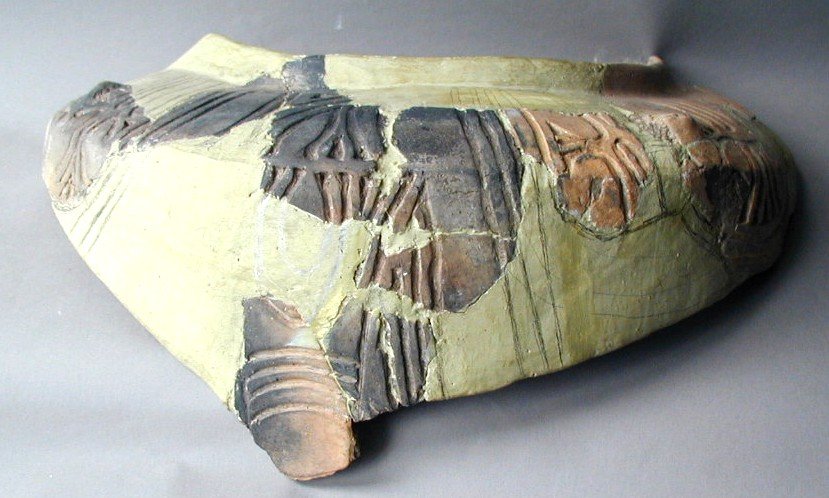
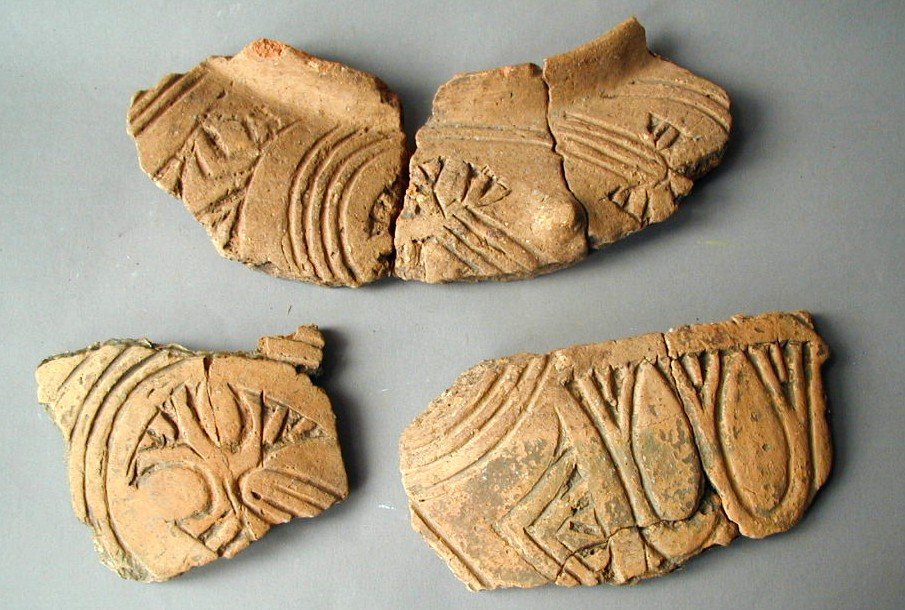
В статье использовані материалы из раскопок Н. Б. Бурдо на поселениях Тимково, Слободка -Западное а также А. Л. Есипенко в Александровке (все – Одесская область, Украина), ныне хранящиеся в Одесском археологическом музее НАН Украины.
Explore the Archive
Discover more research on Trypillia culture, archaeological findings, and ancient civilizations.
Journal Archive